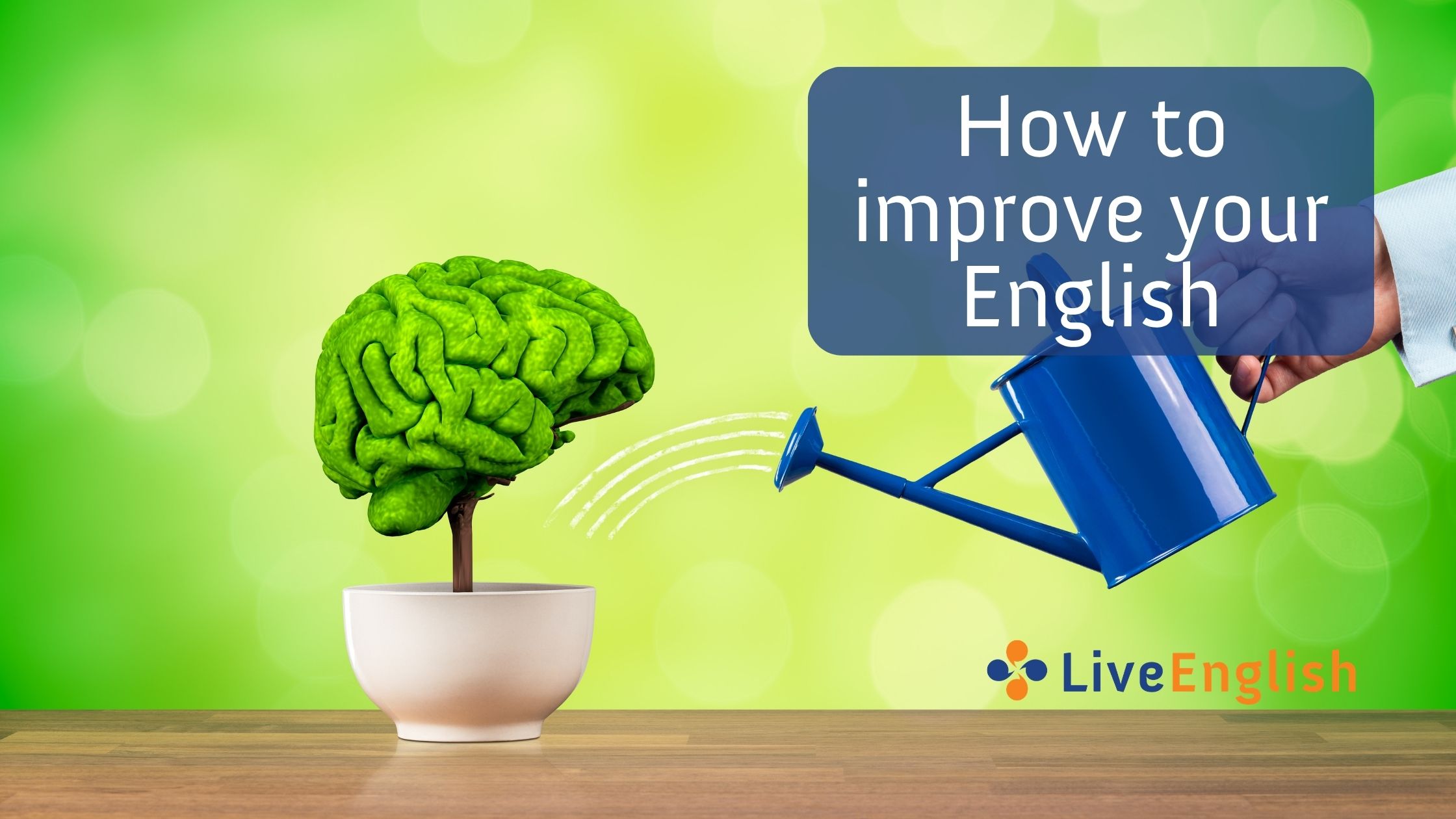
How to improve your English
The internet gives us an opportunity no earlier generation ever had to improve our English. Access to English-language resources has never been easier. Yet within this flood of options and possibilities, choosing the solution that is best suited, most effective, and least time-consuming is not so simple. Here is how to draw on the best of both worlds, technology and human support, to make real progress.
Making the most of online resources, with good judgment
Technology keeps getting more sophisticated and its quality keeps improving. Geographic borders are shrinking: it is entirely possible to study English lessons over Zoom from anywhere and to hold a conversation as though you were in England or the United States. Podcasts, videos, news articles, apps: there is no shortage of material for daily exposure to the language.
The downside of this abundance is that the internet is vast and you do not always know what you will find. Finding an English teacher online on your own offers no guarantee of quality, and e-learning, as impressive as it can be on certain points, remains poorly suited to improving your spoken fluency.
Self-study or guided support: which should you choose?
Both approaches have their place, and the most effective route is often to combine them. This is what people call blended learning, an approach that pairs independent personal study with lessons alongside a teacher.
| Approach | Strengths | Limits |
|---|---|---|
| Self-study resources | Free or low cost, available around the clock, rich in content. | Weak for speaking practice, no personalized correction, motivation hard to sustain. |
| Lessons with a teacher | Intensive speaking practice, immediate feedback, a tailored program, regularity. | Represents an investment, requires booking a regular time slot. |
E-learning on its own makes fast progress on grammar and vocabulary, but it reaches its limits as soon as speaking is involved. An app can drill verb forms, but it cannot react to what you actually say, notice the sound you keep mispronouncing, or gently rephrase an awkward sentence in the moment. Nothing replaces a real conversation with someone who corrects you and pushes you to express yourself. The ideal setup uses each method for what it does best: apps and authentic content to build knowledge on your own time, and live lessons to turn that knowledge into confident, spontaneous speech.
Improving your English with Live English
Since Live English launched in 2007, our purpose has always been to offer a service that draws on both technology and the irreplaceable human resources you need to genuinely progress. We guarantee a quality teaching team: our English teachers are qualified, experienced, strictly native speakers from the United States or England, and supported in-house so they can give you the best possible guidance.
Lessons take place over Zoom, which lets you learn wherever you are, under the same conditions as a face-to-face session. You follow a program your teacher selects based on your specific needs and your goals.
Adapting to your pace
Improving your English when you do not have much time to devote to it can be frustrating. At Live English, we do everything we can to adapt to your pace and impose no rigid schedule. We recommend two to three thirty-minute lessons per week for the best results, but you are the one who decides.
Sessions last just thirty minutes and fit easily into a busy schedule. You learn whenever you like, between 7 a.m. and 10 p.m., every day, weekends included. To go further, discover how to improve your English with tailored support.
Frequently asked questions
Can you really improve your English online?
How much time should you spend on English each week?
Is e-learning enough to improve your speaking?
Improve your English with a native teacher
Since 2007, Live English has coached more than 10,000 people with experienced native teachers who tailor every lesson to your goals. Start with a free trial lesson over Zoom, no credit card required.