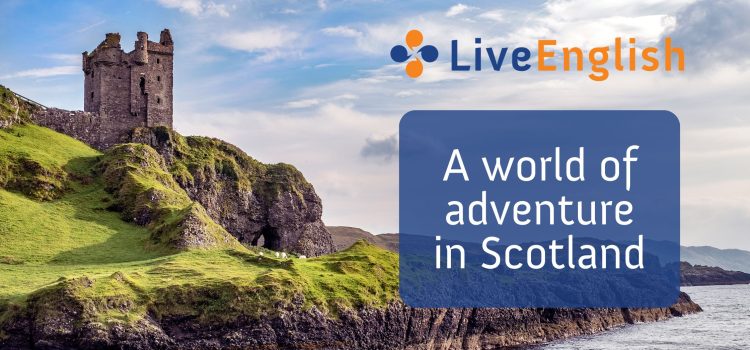
A World of Adventure in Scotland
Scotland packs more adventure into its glens, coastlines and mountains than almost anywhere in Europe. With some of the most beautiful scenery in the world and easy travel between regions, the country once called Caledonia rewards anyone willing to get outdoors. Pack your boots and your waterproofs, and get ready to explore the land of lochs, islands and high peaks.
Watersports along the coast
With over ten thousand kilometres of coastline plus endless rivers and lochs, Scotland is one of the most exciting destinations in Europe for diving, kayaking, surfing and white-water rafting. You can explore caves, cliffs and secluded beaches on a kayaking expedition, or dive to hundreds of shipwrecks, including a sunken German fleet from the First World War.
Keep in mind that Scotland is made up of more than 790 islands, so there is always a new stretch of water to discover. Local operators run guided trips for every level, from a calm first paddle to advanced open-water routes, and most are happy to explain the plan in clear English before you set off.
Winter sports in the Highlands
Whether you are a skier or a snowboarder, Scotland has five ski centres that offer green, blue, red and black runs, with peaks that overlook some of the most majestic mountain views in the country. The season runs roughly from December to April, though conditions change quickly, so it pays to check the forecast and the resort report before you travel.
Ski schools at each centre welcome beginners, and lessons are a great low-pressure way to practise real conversation with an instructor while you learn to turn and stop on the snow.
Hunting, fishing and country pursuits
Scotland now has more than 200 sporting-experience providers who can take you on an exhilarating hunt, or, if you prefer, out for salmon and deep-sea fishing. The choice is yours. Many estates combine a day on the water or the hills with a traditional lunch, which is a relaxed setting to try out your English with a friendly ghillie or guide.
Easy travel across the country
When you plan your trip, make sure you get out into the breathtaking scenery rather than staying only in the main cities. Scotland has a convenient network of motorways for fast travel between towns, and its scenic rail routes are among the finest in the world. The West Highland Line, in particular, is worth a day on its own.
Useful English phrases for your Scotland trip
Here are some handy phrases for booking activities and getting around. Keep the English wording as it is, since these are the exact sentences you can use on the ground.
| Situation | What you can say |
|---|---|
| Booking a kayak tour | “I’d like to book a guided kayak trip for two, please. Is it suitable for beginners?” |
| Renting ski gear | “Could I hire skis, boots and a helmet for the day?” |
| Asking about conditions | “What are the conditions like on the higher runs today?” |
| Getting directions | “Excuse me, which road do I take to reach the loch?” |
Practise your travel English before you go
A trip like this is the perfect reason to sharpen your spoken English. If Scotland leaves you wanting more of the British Isles, read our guide to what to do in Belfast, or take a very different journey with our look at New Zealand on film. When you want structured practice with a real teacher, our British accent conversation course helps you build the confidence to handle any travel situation, from booking a tour to making small talk on the chairlift.
When is the best time to visit Scotland for outdoor activities?
Do I need to speak fluent English to travel in Scotland?
Is it easy to get around Scotland without a car?
How can I understand the Scottish accent better?
Ready to travel with confidence?
Practise real travel English with a native teacher and get ready for your next adventure.