Travelling to Ireland: A Practical Guide for English Learners
Ireland is a beautiful island with a rich culture, warm people, and some of the greenest landscapes in Europe. Before you pack your bags, a little local knowledge goes a long way, and so does a little English practice. This guide walks you through the language, the culture, the food, and the practical details you need to enjoy your trip, plus the everyday phrases that will help you feel confident when you arrive.
English is not the only official language
The first official language of Ireland is Irish, known locally as Gaeilge. It belongs to the Goidelic branch of the Celtic language family. Irish is the everyday first language of only about 30,000 people, most of whom live in rural areas known as the Gaeltacht. You can travel throughout the country using only English, but you will notice road signs, station names, and official notices written in both languages. If you plan to drive outside the major cities, pick up a map that shows place names in Irish and English so you are never caught out by a signpost that only shows the Irish spelling.
Culture and national sports
Ireland has two national sports, Gaelic football and hurling, both run by the Gaelic Athletic Association. Gaelic football looks like a fast cross between soccer and rugby, while hurling is often described as the fastest field sport in the world, played with a wooden stick called a hurley and a small ball called a sliotar. If you visit in the summer, try to catch a match at a local ground. The atmosphere is friendly, the crowds are passionate, and it is a wonderful way to see local life away from the tourist trail.
Food, pubs, and conversation
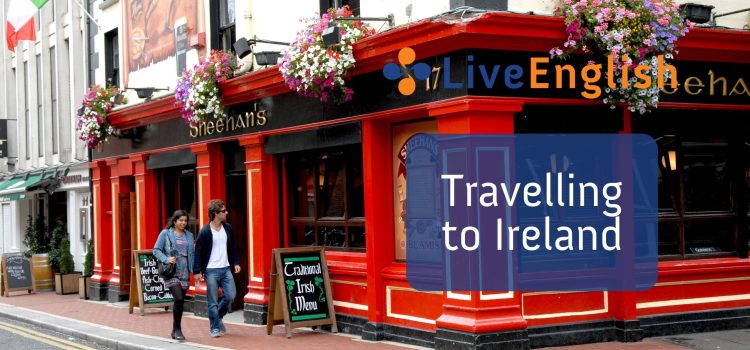
Irish food is famously hearty. Expect warming dishes such as Irish stew, bacon and cabbage, soda bread, and a full Irish breakfast to start the day. The pub is the heart of Irish social life, and it is as much about conversation and live music as it is about a drink. This is where your spoken English really matters, so do not be shy about joining in. Ordering food, asking about the music, and chatting with locals are all natural chances to practise. To get comfortable with real conversations before you go, structured practice like our spoken English course helps you move from textbook phrases to relaxed, real-world talk.
Getting around: trains and transport
Ireland has a decent rail and bus network connecting the main towns and cities. If you travel by train, book in advance whenever you can, because early fares can save you more than 50 percent compared with buying on the day. If you are booking at short notice, be aware that not every special rate, such as family or group fares, is advertised online. Sometimes buying your ticket at the station office is actually the cheaper option, so it is worth asking at the counter before you pay.
Visas and entry
Most visitors will not need a visa for a short trip. If you are from the European Union, you only need your passport or national identity card. Nationals of many other countries can stay for up to three months without a visa. Rules change, so the best travel advice is simple: check with your embassy or a travel agent before you go, and let your embassy know if you plan to stay longer than a month.
Useful English phrases for your trip
A few ready-made phrases will make everyday moments smoother, from the station to the pub.
| Situation | What you can say |
|---|---|
| Buying a train ticket | “A return to Galway, please. Is there a cheaper fare if I book today?” |
| Ordering in a pub | “Could I see the menu? What would you recommend?” |
| Asking for directions | “Excuse me, how do I get to the city centre from here?” |
| Making small talk | “Is this your first time here too? Any tips on what to see?” |
Ireland rewards curious travellers. Once you have explored Dublin and the west coast, you might plan a very different trip to sunshine and coastline in California, or a wildlife adventure in South Africa. Wherever you go next, a little confident English opens every door.
Frequently asked questions
Do I need to speak Irish to visit Ireland?
When is the best time to visit Ireland?
How can I save money on train travel?
Will I need a visa?
Join more than 10,000 professionals who have learned with Live English since 2007. Practise real conversations with native teachers. Free trial, no credit card needed.