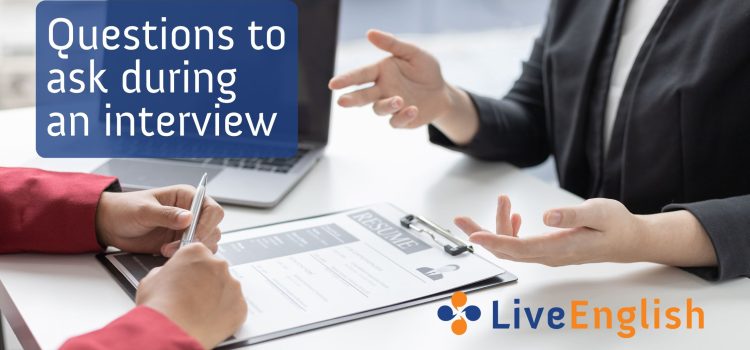
The Best Questions to Ask During a Job Interview in English
Near the end of almost every job interview in English, the interviewer turns the tables: “Do you have any questions for us?” It’s not a formality. Good questions show you’re genuinely interested, help you judge whether the role is right for you, and leave a strong final impression. Have a few ready, then adapt them to what’s actually been said.
Why asking questions matters
The questions you ask do three things at once:
- They show genuine interest and preparation, which sets you apart from candidates who ask nothing.
- They give you real information about the role, the team and the culture, so you can decide whether the job actually fits you.
- They turn the interview into a conversation, building rapport and leaving a more memorable impression.
Remember that an interview runs both ways: the employer is assessing you, and you’re assessing them.
Questions to ask, grouped by theme
Pick a few that fit the conversation rather than reading out a memorised list. Whatever you do, don’t ask the interviewer to re-explain something they’ve just spent time covering.
About the role and the day-to-day
- What does a typical day or week look like in this role?
- What would I be working on in my first few weeks?
- What are the main priorities for this position in the first six months?
- What does success look like in this role?
About the team and the culture
- How is the team structured, and who would I work with most closely?
- How would you describe the company culture?
- What do people enjoy most about working here?
About growth and development
- What training or development is available?
- What does career progression look like for someone in this role?
- Is there a probationary period, and what does it involve?
About performance and expectations
- How will my performance be measured, and how often?
- What would you want to see from me in the first year?
- What are the biggest challenges the team is facing right now?
- Don’t lead with pay, holidays or perks. Leave salary and time-off questions for a later stage, or until the interviewer raises them.
- Don’t ask what you could have researched. “What does the company do?” signals you didn’t prepare.
- Don’t ask nothing at all. “No, I’m fine” wastes your best chance to show interest and to learn whether the job suits you.
Frequently Asked Questions
Should I ask questions at the end of a job interview?
How many questions should I ask?
What if all my questions were already answered?
What questions should I avoid asking?
What are good questions to ask the interviewer?
Job Interview Express
Have a job interview in English in the next few days? Our Job Interview Express is built for exactly that: an intensive preparation course of 5 PRO sessions (2.5 hours) to get you interview-ready fast. You’ll practise both answering questions and asking your own, so you walk in confident. Live English has coached over 10,000 professionals since 2007 with native, HR-experienced teachers.
It’s best to contact us before you register so we can check availability. If you have more time to prepare, explore our regular English courses.