Taking Your English Conversation Skills to the Next Level
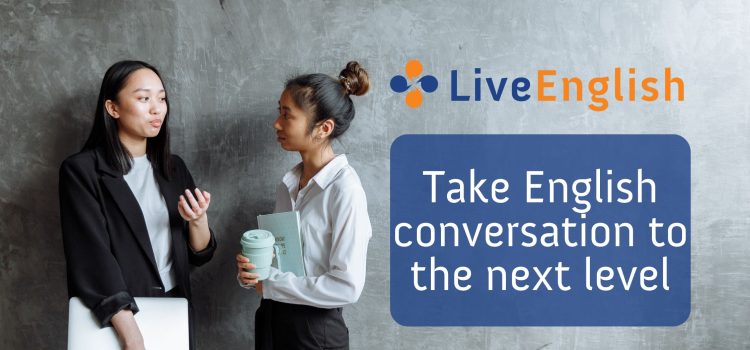
Most people finished their formal language classes years ago, and it shows in conversation. Words that once came easily now take a moment to find, and it can feel simpler to think in your native language first and translate on the spot. An English conversation course is built to fix exactly this. It refreshes vocabulary, corrects small habitual mistakes, and takes your speaking ability to a genuinely higher level of fluency and confidence.
Why Even Confident Speakers Fall Into Bad Habits
If you use English regularly, whether at work or while traveling, it is easy to develop small habits that quietly stick around for years. When you have little time to review grammar or vocabulary, simple mistakes become automatic. Native speakers rarely interrupt a conversation to correct you, and busy colleagues usually catch the general meaning of what you said and move on, rather than pointing out the exact word or structure that was off. Over time, those small errors become part of how you speak, and without feedback, they are almost impossible to notice on your own.
A structured conversation course changes this. A teacher who is trained to listen for these patterns will tell you when and why something was slightly off, and more importantly, will show you the natural way a native speaker would have phrased the same idea.
Conversation Practice vs. Grammar Study
Many learners assume that improving means going back to grammar books, but conversation and grammar develop different skills. Grammar study builds accuracy when you have time to think. Conversation practice builds speed: the ability to find the right word, structure a sentence, and respond naturally, all within a second or two, the same way you do effortlessly in your first language. Both matter, but conversation practice is the one most adults stop doing after school, which is exactly why it tends to be the skill that plateaus first.
| Skill Focus | Grammar Study | Conversation Practice |
|---|---|---|
| Speed of recall | Slow, deliberate | Fast, automatic |
| Best for | Writing, exams | Meetings, calls, travel |
| Feedback style | Rules and exceptions | Real-time correction |
What a Good Conversation Course Includes
A strong English conversation course is not a passive lecture. It is built around genuine, back-and-forth dialogue with a native teacher, on topics that matter to you: your job, your industry, current events, or everyday situations you actually face. The teacher’s role is to keep the conversation flowing while gently correcting mistakes in the moment, introducing more natural vocabulary, and pushing you slightly beyond your comfort zone so your fluency keeps improving rather than plateauing at “good enough.”
How Often Should You Practice?
Consistency matters more than intensity. A single long lesson once a month will not build the automatic reflexes that real conversation requires. Most learners see noticeably faster progress with shorter, more frequent sessions, for example once or twice a week, because each lesson reinforces the last one before it has time to fade. Online conversation courses make this realistic, since a 30 or 45 minute lesson fits far more easily into a normal week than a longer in-person class.
Frequently Asked Questions
I already speak English at work. Why would I need a conversation course?
How is this different from a grammar class?
How quickly will I notice a difference?
Do I need to already be at an advanced level to start?
If you are just getting started, it can help to first understand whether learning English online is right for you, and if you learn best with native speaking teachers, browse our full spoken English course for the full range of formats and levels available.
Join 10,000+ professionals who have trusted Live English since 2007. Book a free trial lesson, no credit card required.