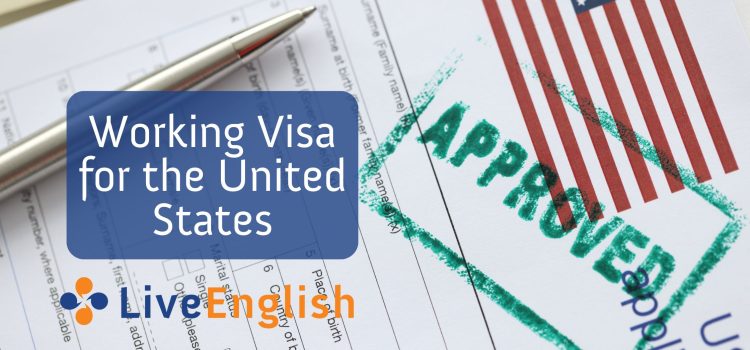
Getting a Work Visa for the United States: What Professionals Need to Know
The United States remains a top destination for ambitious professionals from around the world. Working there legally, though, means understanding a visa system that can feel complex at first. This guide gives you a clear overview of the main work visa categories, how the process usually flows, and the English skills that help you succeed at interview, at work and in daily American life. Immigration rules change frequently, so treat this as a starting map and always confirm the current details with official US government sources.
The main US work visa categories
The US offers different visas depending on your skills, your employer and how long you plan to stay. These are some of the most common routes for professionals.
| Visa | Typically for |
|---|---|
| H-1B | Specialty occupations needing a degree, such as tech and engineering |
| L-1 | Employees transferring within a multinational company |
| O-1 | People with extraordinary ability in their field |
| TN | Canadian and Mexican professionals under trade agreements |
There are also employment-based green cards for permanent residence, which usually take longer and often start with a temporary work visa. A qualified immigration lawyer can help you choose the best route for your situation.
How the process usually works
Most work visas follow a similar broad path, even though the timelines and paperwork differ by category.
- Secure a job offer from a US employer willing to sponsor you.
- Your employer files a petition with US Citizenship and Immigration Services.
- Once approved, you apply for the visa at a US embassy or consulate.
- You attend a visa interview, where an officer reviews your case in English.
- If granted, you receive your visa and can travel to begin work.
Some categories, such as the H-1B, are subject to annual limits and a lottery, so timing and preparation matter. Gather your documents early and keep copies of everything.
The English skills that make a difference
Strong English runs through the entire journey. You will use it to network your way to a job offer, to shine in interviews, to handle the consular interview calmly, and then to thrive in an American workplace where communication is direct and fast-paced.
For roles that involve meetings, presentations and client work, targeted business English coaching helps you communicate like a local professional. To build the everyday fluency that carries you through interviews and life in the US, regular spoken English practice with an experienced teacher is the most reliable path. Many people exploring the US also compare it with relocating to the USA more broadly and building a career in Canada before making a final decision. To tune your ear to the way Americans really speak, try our English conversation course with an American accent.
Preparing for the consular interview
The visa interview at a US embassy or consulate is often the moment applicants worry about most, yet good preparation makes it straightforward. The officer wants to confirm that your paperwork is genuine, that you qualify for the category, and that your plans are clear and consistent. Interviews are usually short, so answers that are honest, direct and easy to follow work best.
Bring your documents neatly organised, know the key facts of your job offer and employer, and be ready to explain your role in plain terms. Rehearse out loud so that nerves do not make you rush or ramble. Because the whole conversation happens in English, practising it in advance with a teacher who can play the role of the officer is one of the most useful things you can do.
Frequently asked questions
Can I apply for a US work visa without a job offer?
Is there an English test for US work visas?
How long does the process take?
Should I prepare my English before applying?
Live English has coached more than 10,000 professionals since 2007 with experienced native teachers, one to one and online. Practise interviews and workplace English so you are ready for your move to the US.
Free trial, no credit card required.