Why It’s So Difficult to Speak English on the Phone (and What to Do About It)
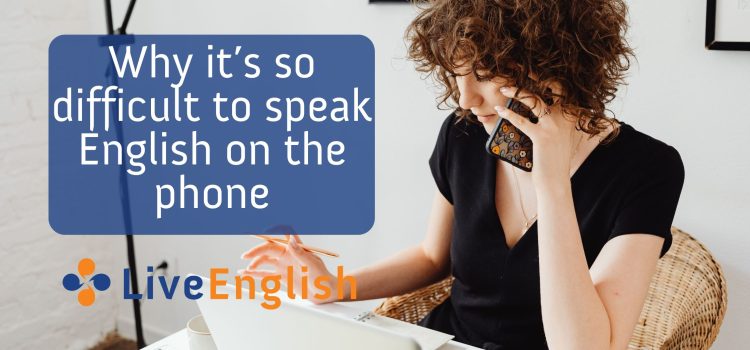
Speaking English on the phone feels harder than speaking face to face, and there is a simple reason. On a call you lose all the visual cues, the gestures, expressions, and body language, that normally help people understand you. Everything has to travel through your voice alone, so clear speech does extra work. The good news: with a few habits and the right phrases, phone calls in English stop being scary.
Why phone calls in English feel harder
It is often said that most of a message is carried by tone and body language rather than the actual words. Those figures come from research by Albert Mehrabian and apply specifically to situations where we communicate feelings and attitudes and the speaker’s words and body language don’t match, so they are often over-generalised. Still, the underlying point holds for phone calls: when the other person can’t see you, you lose facial expressions and gestures, and your voice has to do more of the work. The good impression you want to make comes through speech alone, which is why how you speak is the key to a successful call. Alongside clear speech goes honesty: if you haven’t understood something, say so.
Tips for English phone conversations
- Speak slowly. Slowing down makes your call clearer and lets you pronounce sounds properly. Many people feel embarrassed to speak slowly, but it helps, especially if your native language is spoken faster than English.
- Practise the hard sounds. Pick the words or sounds you know you don’t pronounce clearly and work on them. Write down what you plan to say, underline the last consonant of each word, and practise saying it aloud.
- Learn phone etiquette. Different situations call for different phrasing, and different cultures answer and greet differently. Pay attention to how people open and handle calls, and match the register.
- Smile. Smiling while you talk makes you sound friendlier and warmer. It changes the shape of your mouth and your vocal tone, and the listener can hear it.
Useful vocabulary for English phone calls
Polite, clear phrasing makes any call go more smoothly. Here are words and phrases to keep ready, by register:
| When to use it | Word | Example |
|---|---|---|
| Making a polite request (business) | Could | Could you please repeat that? |
| Making a polite request | Would | Would you mind calling back in the morning? |
| Asking if something is possible | Can | Can you call again, please? I have a bad signal. |
| Asking permission (formal) | May | May I speak to Ms Smith, please? |
| Requesting help / being courteous | Please / Thank you | Please hold for a minute. Thank you for calling. |
| Informal (friend or colleague) | Thanks / Bye / OK | Thanks, John. Take care! I’d better get going, OK? Bye, Anne. |
Learning English by phone with a native speaker is one of the best ways to beat the fear and make sure you are ready for comfortable calls in the future.
Practise real calls with a native teacher
Our English by Phone lessons let you build phone confidence the only way that works: by actually speaking on the phone, with an experienced native teacher guiding you.
Frequently asked questions
Why is it harder to speak English on the phone?
How can I improve my English phone calls?
What should I say if I don’t understand on the phone?
What is the best way to practise English phone calls?
Phone calls in English get easier every time you make one. Use these phrases, practise out loud, and the telephone will soon feel like just another conversation.