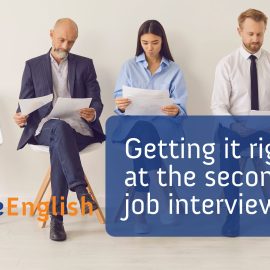
A True Story: What a Bad Job Interview Really Looks Like
Most articles about job interview mistakes describe hypothetical scenarios. This one is a true story from a hiring manager at a language school, and it is a useful reminder that the mistakes candidates make are rarely dramatic. They are small, easy to avoid, and often invisible to the person making them.
The Interview That Went Wrong Before It Started
While waiting in the reception area, the candidate was listening to music through earphones. That alone signals disengagement, but he then closed his eyes and began tapping his feet to the rhythm. A few moments later, he started quietly singing along. He caught himself and looked around to check whether anyone had noticed. He assumed no one had, but the office had glass walls. In an office made of glass, someone always notices.
The Answer That Raised a Red Flag
During the interview, the hiring manager asked why he had left his previous customer service job. He replied that he didn’t like working with people. When asked whether he understood that teaching also requires working closely with people, he changed the subject rather than address it directly. A single honest answer might have recovered the moment, but avoiding the question made it worse.
The Detail That Sealed It
Throughout the entire interview, the candidate chewed gum. Perhaps he wanted fresh breath, but when the gum fell out of his mouth mid-sentence, it became impossible for the interviewer to take the rest of the conversation seriously. Small physical habits like this are easy to overlook when you are nervous, but they are exactly what an interviewer remembers afterward.
The Verdict
Afterward, a staff member asked the hiring manager whether the candidate would get a callback. The answer was a confident no. When asked why, the manager didn’t even need to mention the gum or the singing. Another staff member pointed out that the candidate had also worn white socks with black trousers and black shoes, a detail that, on its own, would have been forgivable. Combined with everything else, it simply confirmed the impression that had already formed.
What This Story Teaches
If you want the job, show genuine interest from the moment you arrive, avoid chewing gum, dress consistently and appropriately, and choose to apply for roles that genuinely suit your personality and skills. None of these mistakes required more English vocabulary or a better answer to a hard question. They required awareness. For a broader list of the small habits interviewers notice most, read our guide to the top job interview faux pas to avoid, and if you want to prepare stronger answers before your next interview, see our list of questions to ask during an interview.
Vocabulary from this story worth remembering: a candidate is a person being interviewed for a job. Slumped posture describes sitting without a straight back. Someone’s true colors means their real personality, often revealed under pressure. The nail in the coffin describes the final detail that ends any remaining chance. Getting a callback means being invited to the next round of interviews.
Preparing So This Doesn’t Happen to You
Interview nerves are normal, and in a second language they can be even harder to manage. Practicing common interview questions out loud, in English, with a native-speaking teacher, helps you focus on your answers instead of worrying about small habits slipping through unnoticed. A structured practice session, like the ones built into our job interview English course, can also help you build the kind of quiet confidence that keeps you from filling silence with music, gum, or the wrong words.
What is the biggest lesson from this interview story?
Why does chewing gum during an interview matter so much?
How should I answer if I left a job because I didn’t like it?
Do interviewers really notice waiting-room behavior?
Live English has coached 10,000+ professionals since 2007 with experienced native teachers. Build the confidence to handle a real interview with a free trial lesson, no credit card required.