Visiting South Africa: A Nature Lover’s Guide for English Learners
South Africa is a lush, green country with some of the most rewarding wildlife and landscapes on Earth. The weather is famously pleasant, rarely too hot and rarely too wet, which makes it a comfortable destination almost year-round. From world-class safaris to star-filled night skies, this guide covers the highlights and the everyday English you need to travel with confidence.
A country made for nature
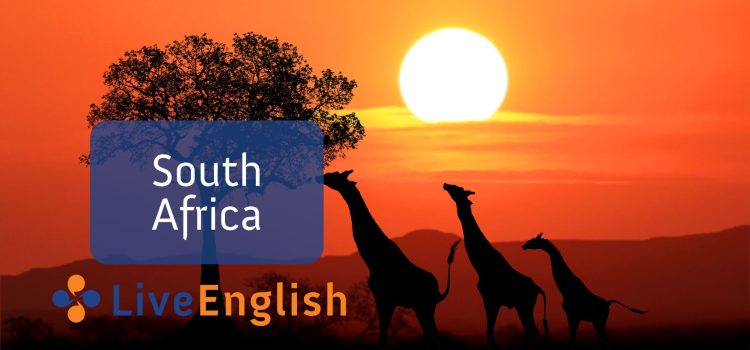
What makes South Africa so special is its variety. The climate is mild and balanced, so you can enjoy the outdoors without extreme heat or heavy rain for much of the year. The country is known for the vast Kalahari Desert and the world-famous Kruger National Park, and there are many nature reserves protecting animals such as giraffes, which are among visitors’ favourite sights. If you love the natural world, this is a destination that will stay with you.
Safaris and the Big Seven
The classic South African experience is the safari. The most popular trips let you look for the “Big Seven”: lion, leopard, elephant, buffalo, rhino, and along the coast the great white shark and the southern right whale. Addo Elephant National Park is one of the best places to see this range of wildlife, and it is also home to African gannets and penguins. The park sits in the Eastern Cape, close to Port Elizabeth, and makes a truly worthwhile stop on any trip.
Stargazing under the Southern sky
If you come from the Northern Hemisphere, one of the most magical experiences is a stargazing safari. Away from city lights, the clear skies reveal the stars of the Southern Hemisphere, including constellations you cannot see from home, such as the Southern Cross. Many lodges and reserves offer guided night-sky sessions, pairing astronomy with the sounds of the bush after dark.
Practical tips for your trip
South Africa has eleven official languages, and English is widely spoken and used in business, tourism, and signage, so you will be able to get around comfortably. Plan your safari for early morning or late afternoon, when animals are most active. Bring layers, because mornings can be cool even in warm seasons, and always follow your guide’s safety instructions in the parks.
Useful English phrases for South Africa
A few ready phrases will help you on tours, in restaurants, and when asking for directions.
| Situation | What you can say |
|---|---|
| Booking a safari | “I’d like to book a morning game drive. What time does it start?” |
| On the game drive | “What animal is that over there?” |
| At a restaurant | “Could you recommend a local dish?” |
| Asking for directions | “Excuse me, which road leads to the park entrance?” |
Feeling ready to chat with guides and locals makes a trip like this far richer. A spoken English course with native teachers gives you the confidence to ask questions and join conversations naturally. If South Africa inspires your next adventure, compare it with the harbour city of Sydney, or plan a green-country escape to Ireland.
Frequently asked questions
What is the “Big Seven”?
Is English spoken in South Africa?
When is the best time for a safari?
What is a stargazing safari?
Join more than 10,000 professionals who have learned with Live English since 2007. Practise real conversations with native teachers. Free trial, no credit card needed.