Relocating to the USA: A Practical Guide for Newcomers
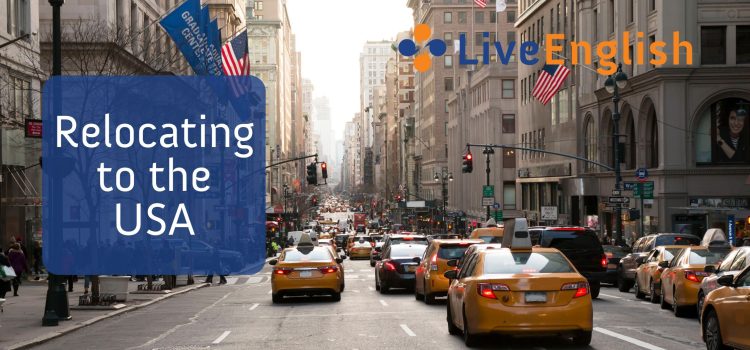
Relocating to the United States is a life-changing move full of opportunity. From career prospects and world-class universities to wide open spaces and a huge variety of cultures, the US draws people from every corner of the globe. A successful move takes planning, though. This guide covers the practical steps of settling in, the paperwork you will meet, and the everyday English that turns a stressful arrival into a smooth start.
Getting your status right
Before anything else, you need the correct legal basis to live in the US, whether that is a work visa, a family visa, a student visa or permanent residence through a green card. Each has its own conditions on how long you can stay and what you are allowed to do. Immigration rules are detailed and change often, so confirm your situation with official US government sources and, if needed, a qualified immigration lawyer. If you are moving for work, our guide to getting a US work visa explains the main categories in more detail.
The first weeks: essential admin
Once you arrive, a handful of practical tasks make everything else easier. Tackling them early helps you feel settled fast.
- Apply for a Social Security Number if you are eligible, as you need it for work and many services.
- Open a US bank account so you can receive pay and set up direct payments.
- Find housing, understanding that landlords often ask for credit history you may not have yet.
- Sort out health insurance, which is essential given US healthcare costs.
- Get a phone plan and, if you will drive, look into your state’s licence rules.
Adjusting to daily life and culture
American culture can feel both familiar and surprising. Everyday interactions are often warm and direct, tipping is expected in many places, and life varies enormously between a big coastal city and a smaller town. Give yourself time to adjust, and stay curious rather than frustrated when things work differently from home.
| Sort out early | Settle in gradually |
|---|---|
| Legal status, SSN and banking | Building a local social network |
| Housing and health insurance | Learning local customs and slang |
| Phone and transport | Growing your career and confidence |
The English that smooths your arrival
Every one of these tasks happens in English, often on the phone or with people who speak quickly and use local expressions. The more naturally you handle American English, the less draining the early weeks feel. Understanding accents, small talk and everyday idioms helps you open accounts, rent a home and make friends without constant stress.
To feel at ease in daily American life, regular spoken English practice with an experienced teacher is the fastest way to sound natural. If your move is career-driven, business English coaching prepares you for interviews, meetings and client work. Many people planning a US move also compare it with moving to London as they decide where their future lies. To tune your ear to the way Americans really speak, try our English conversation course with an American accent.
Managing the cost of living
The cost of living in the US varies dramatically from state to state and city to city. Housing in New York or San Francisco is far higher than in many parts of the Midwest or the South, while taxes, transport and everyday prices differ too. Before you commit to a location, research typical rents, whether you will need a car, and how much health insurance will cost, since these three items shape most budgets.
It also helps to build a small financial cushion for the first months, when you may be paying deposits and setting up services before your income is steady. Many newcomers underestimate early costs, so a little planning protects your peace of mind. When you negotiate rent, compare job offers or question a bill, clear and confident English lets you advocate for yourself and avoid costly misunderstandings.
Frequently asked questions
What is the first thing I should do after arriving in the US?
How much English do I need to relocate comfortably?
Is healthcare really that expensive in the US?
Should I improve my English before I move?
Live English has coached more than 10,000 professionals since 2007 with experienced native teachers, one to one and online. Practise the real conversations of daily American life so your move feels smooth from day one.
Free trial, no credit card required.